Showing posts with label December 2015. Show all posts

Monday, January 4, 2016

Biosphere 2 (Oracle, Arizona)

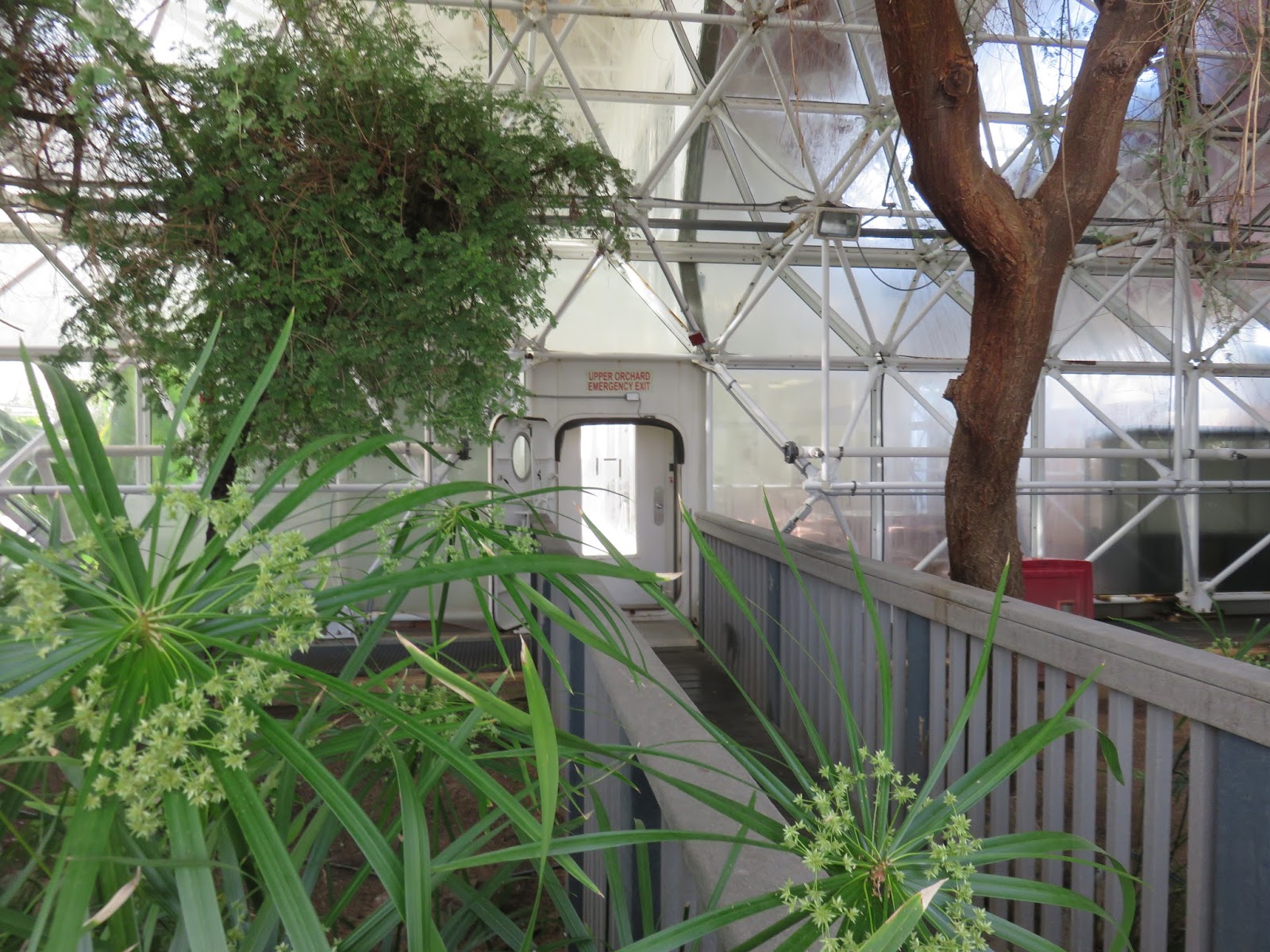
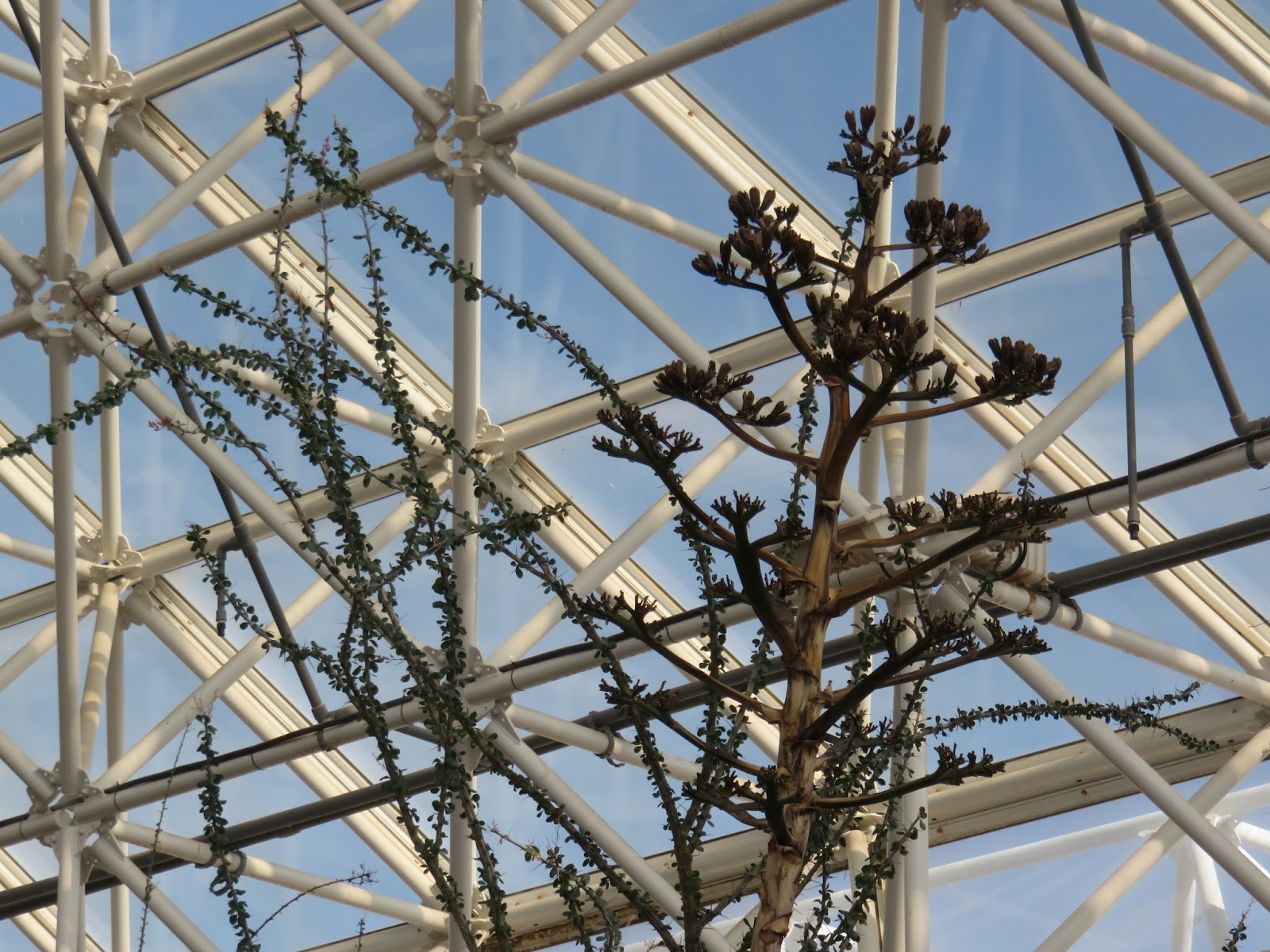
On September 26, 1991 eight scientists entered the Biosphere 2 (or B2) research facility in Oracle, Arizona, for two years in a closed system to study ecosystem processes under controlled conditions. A system closed off from the outside world, Biosphere 2 is a glass-enclosed 3.14 acre facility with 7.2 million feet enclosed under 6500 windows.  The impressive structure looms 91 feet tall at the highest point and is sealed from earth below by a 500-ton welded stainless-steel liner, with thousands of miles of wiring, pipes, and ductwork throughout. B2 was originally meant to explore the web of interactions within life systems in a structure with five areas based on biomes; an agricultural area and human living and working space to study the interactions between humans, farming, and technology with the rest of nature. The five biome areas include a rainforest, ocean with a coral reef, mangrove wetlands, savannah grassland, and desert.

There was much publicity about this bold experiment, most of which focused on the problems ranging from low amounts of food and oxygen, die-offs of many animal and plant species, and squabbling among the resident scientists. However, B2 ultimately provided unexpected scientific results not possible through other means. Constructed between 1987 and 1991 by a private company called Space Biosphere Ventures, Biosphere 2 is now owned by the University of Arizona with daily tours offered to the public. I was fascinated with the details of how the scientists lived this way for that length of time, how they raised food, what they were looking for, and what they ultimately discovered. The tour and limited peek into this momentous undertaking only served to whet my appetite for more information – looks like I’ll be reading one or more of the many books published on this subject!

And, if you were wondering about Biosphere 1 – that would be Planet Earth. 


Friday, December 25, 2015

Stonewall Peak Hike (Cuyamaca Rancho State Park)

After we left Sacramento, we started working our way south, first to San Diego for two weeks (and later, moving on to Tucson, Arizona, for the Winter). While in San Diego, my sister Jennifer and her friend Mike took us on a hike in Cuyamaca Rancho State Park, located 40-miles east of San Diego in the Laguna Mountains of the Peninsular Ranges. We hiked the second highest peak in the park, Stonewall Peak, which is part of the Cuyamaca Mountains, and rises to 5700 feet. (Our hike began at an elevation of 4800 feet, so our elevation gain was around 900 feet only.) The park was closed for several months due to massive damage incurred in the 2003 Cedar fire, and there was still lots of evidence of this fire along our hiking trail among the pine, fir, and oak forests. We hiked two miles of switchback trails, sometimes through patches of snow from an early season storm, to arrive at the peak to take in the incredible views from the top. To the south is the drainage area for the Sweetwater River and glimpses of northern Mexico; west is the main ramparts of the Cuyamaca Mountains, and glimpses of San Diego County’s interior; north is Palomar Mountain (home to the Palomar Observatory), Lake Cuyamaca, North Peak, and parts of the nearby town of Julian; to the east is Anza Borrego’s high country, including Granite Mountain and Whale Peak. We were there on a crystal clear day and took in the view for a while before making our way back down. Being December, the day was short, and the sun was beginning to set rather quickly – bringing both long shadows and a discernible chill to the air.