In early August 2019 Dan and I decided to take
a short road trip to Sequoia National Park. Although we both grew up in
California, we still have not been to all the National Parks in our home state.
This trip helped move us closer to that goal. Sequoia National Park is famous
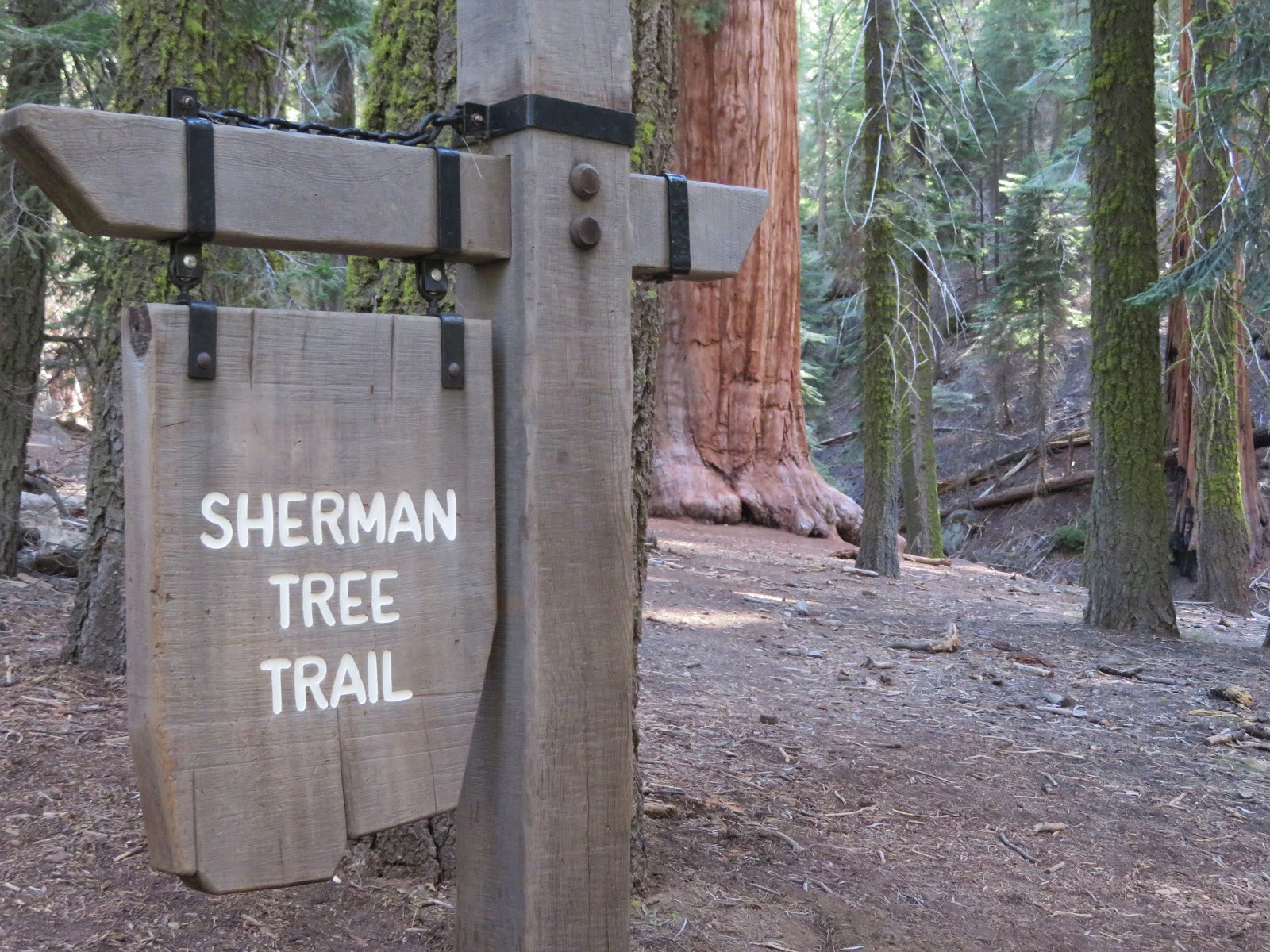
for its giant sequoia trees, including the General Sherman tree, the largest
tree on Earth. The Giant Forest, which is connected by the Generals Highway to
Kings Canyon National Park, contains five of the ten largest trees in the
world. The park was established in 1890 to protect 404,064 acres of forest, and
is also home to Mt. Whitney, the highest point in the contiguous United States
(14.505 feet above sea level).
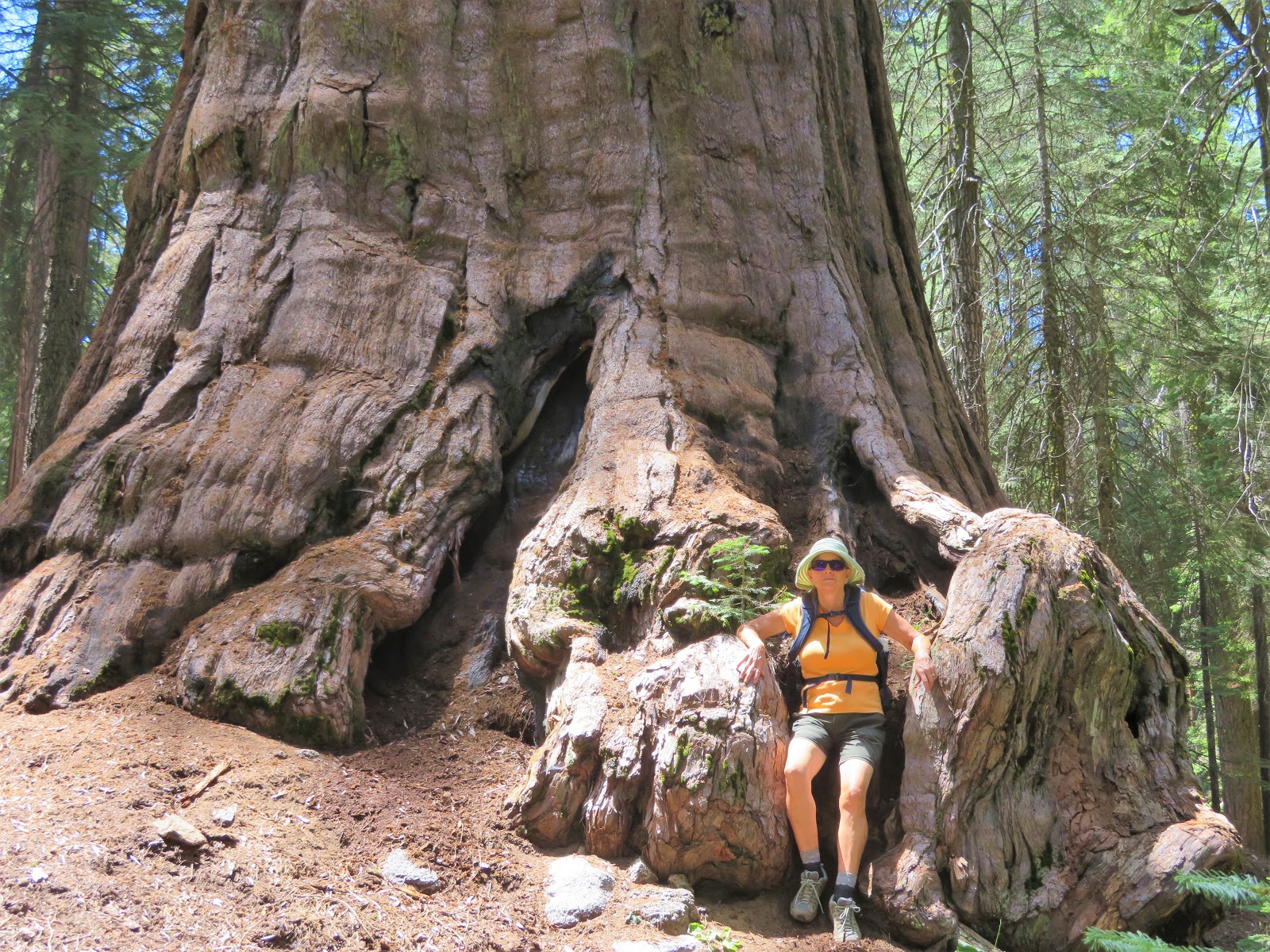
As we wandered among these ancient and massive
trees of the southern Sierra Nevada range, we were awed by their strength and beauty
and it was impossible not to contemplate the many changes witnessed over millennia
by these sentinels of the forest. Giant Sequoias are the third longest-lived
tree species with the oldest known specimen to have been 3,266 years old. Their
size has more to do with girth, than height, even though the largest of the
sequoias stand as tall as a 26-story building. They typically grow to more than
20 feet in diameter and up to 35 feet across.
General Sherman, at 2,100 years old, weights
2.7 million pounds, is 275 feet tall, and has a 102-foot circumference at the
ground. The third largest tree by volume is the President, with over two
billion leaves, and an estimated age of 3,240 years.
Although sequoias were logged in the 1870’s (something
I have such a hard time wrapping my head around) their brittle wood does not
make for good lumber. However, due to the presence of tannic acids, they are
incredibly hardy, resisting fungal rot, wood-boring beetles, and fire, as their
thick bark is flame resistant. And thankfully, these trees are a protected
species today, ensuring their continuation into the future.
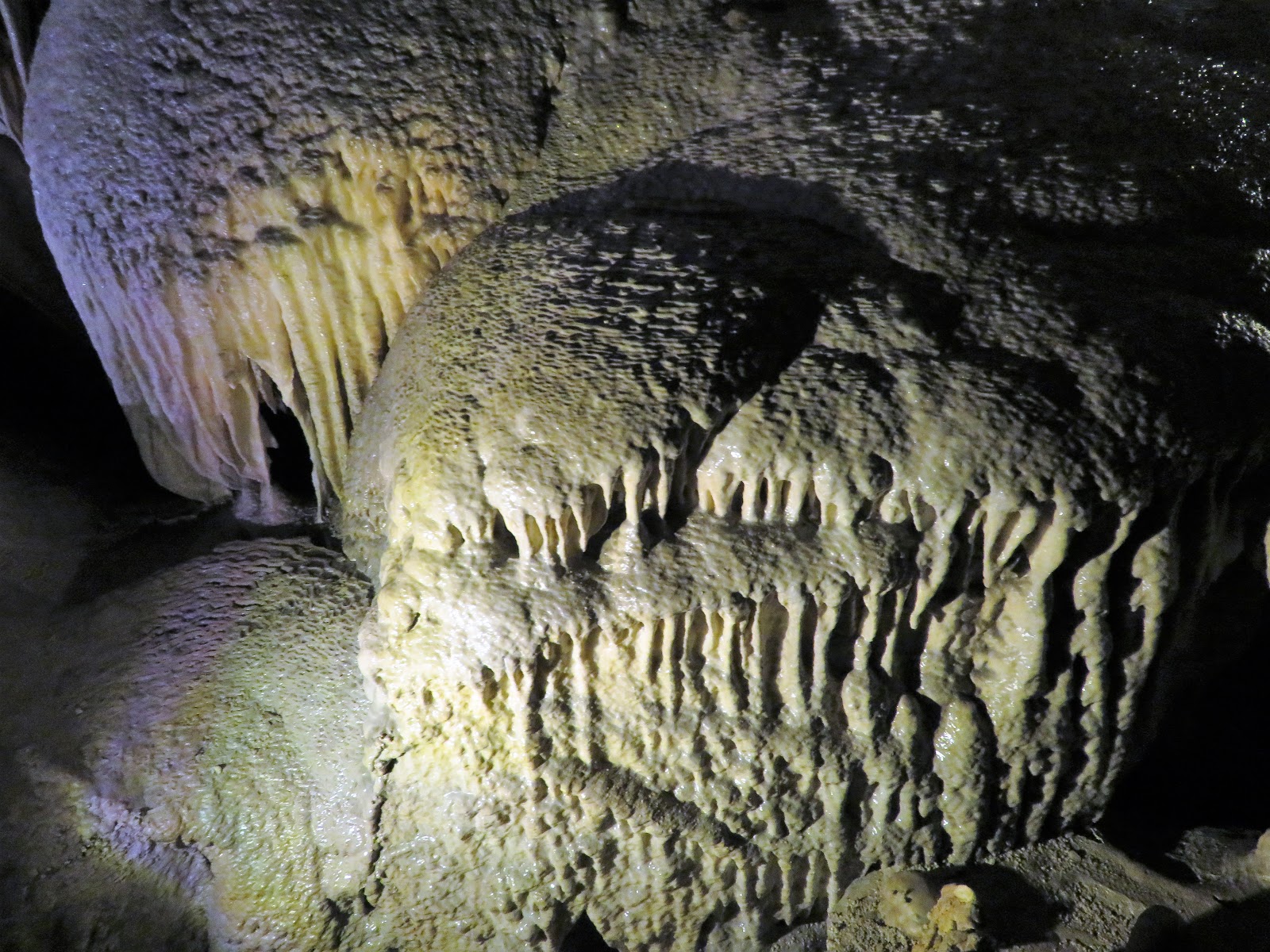
In addition to the magnificent trees in Sequoia
National Park, there is also a hidden system of caves running below ground. We
took a guided tour of Crystal Cave, walking along a steep trail flanked by
waterfalls to the cave entrance. The cool 54-degree temperature inside the cave
was a nice respite from the summer heat, and we enjoyed hearing the history of
the cave discovery and seeing the impressive cave formations.